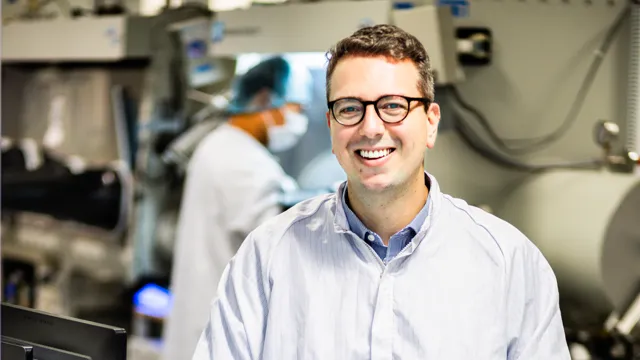
Malin Hoelstad
“The idea was to identify and propose effective measures for more sustainable development that actors in society should implement. The measures must be supported by research”, says Mats Eklund, director of the BSRC and professor of industrial environmental technology at Linköping University.
A policy brief is a concise summary of current scientific knowledge and recommendations that is sent to politicians and decision makers. The work on the document about Sweden’s biogas production was initiated by BSRC researchers at the Swedish University of Agricultural Sciences (SLU)
Untapped potential
Today, Sweden produces 2.3 terawatt hours (TWh) of biogas but there is significant untapped potential. The researchers conclude that Sweden’s biogas production could rise to between 7 and 10 TWh within only a few years.
“With increased sorting of food waste and with organic waste streams that are not used today, particularly manure and crops that do not compete with food production, this is achievable”, says Mats Eklund.
Individual farms
For individual farms, biogas production creates opportunities to replace fossil fuels in working machinery. Alternatively, a farm could become self sufficient in electricity and heat. In addition, biofertiliser, a by-product of biogas, could meet a significant share of agriculture’s nitrogen and phosphorus needs.
Expansion of biogas production systems also brings further long-term benefits, including strengthened energy and food security in times of crisis, regional economic development, more green jobs and a cleaner environment.
Who are you hoping to reach?
“Primarily the relevant authorities and politicians, especially at the national level. We are raising this issue at our regular meetings with government agencies and we will hold a webinar for the launch on 8 May, with participants including Rickard Nordin from the Centre Party.”
Is there anything you would particularly like to highlight in the document?
“One of the measures concerns how to stimulate and facilitate the use of biofertiliser. By establishing biogas plants, it becomes possible to produce domestic and local energy and plant nutrients that can help ensure national and renewable food production”, says Mats Eklund.