How are the biogas solutions developing in Sweden at the moment?
"There are several positive signs. For example, the EU has set fairly ambitious targets for the green transition and for non fossil fuels, not least biogas. This will have an impact on us in Sweden. What is important is to continue educating politicians about the benefits of biogas and digestate. It would also be beneficial if sustainability regulations and policy instruments were more harmonised across EU Member States."
How was this year’s BSRC Winter Conference?
"These kinds of meeting places are important for exchanging experience and building networks. I gained a deeper understanding of the biogas value chain, from the collection of raw materials to the return of nutrients to agriculture. Ultimately, it is about reducing greenhouse gas emissions and increasing security of supply, and biogas plays an important role here."
What is the main challenge for the production of e‑methane and hydrogen?
"The production of hydrogen and e‑methane requires large amounts of electricity. We therefore need to secure access to renewable electricity at low cost, such as wind and hydropower, and make use of periods with low electricity prices for the production of hydrogen and e‑methane. This means we need to promote all fossil‑free energy sources in order to manage the green transition."
What is currently needed for biogas development in Sweden?
"A discussion is needed on how cultivated crops can be used as feedstock for biogas production. Biogas is important for our self‑sufficiency, and what remains after production can also be used, for example as fertiliser."
How can biogas really gain momentum in the future?
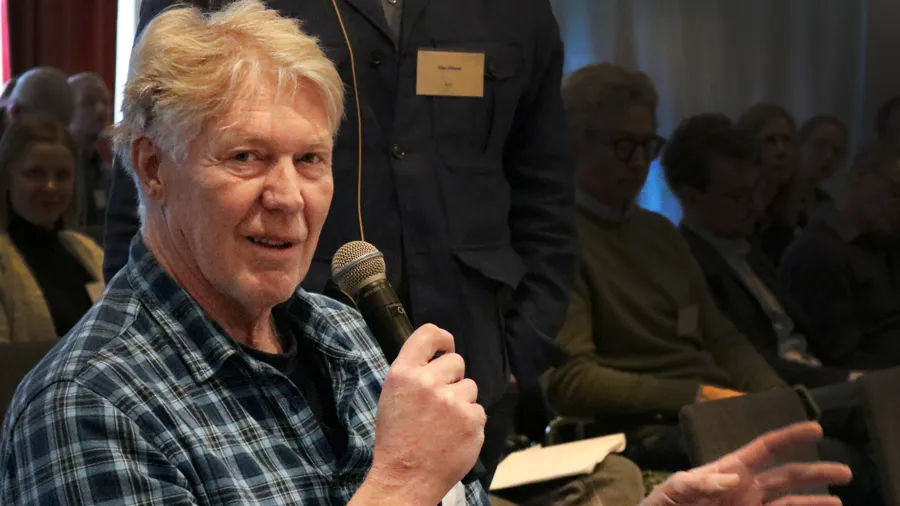
"Experts are now largely in agreement. There is technology that works, even if there is room for improvement. What we need now is to communicate the benefits of biogas more widely. We need greater participation from authorities and politicians at conferences. We also need to highlight the issue of security of supply for both energy and food, since both are linked to biogas production."
What can public authorities do to promote biogas?

"I do not know exactly what local authorities can do beyond allocating land for biogas, contributing knowledge about biogas, and continuing to request biogas where possible. However, knowledge is always needed to make decisions. This also applies to investors and to banks that provide loans to companies. There is technical potential, willingness and expertise in Sweden. Above all, long‑term political conditions are needed for investments to materialise at local level. I believe these conditions now exist at EU level. The key issue is implementation."


