
Negotiations on the new EU return regulation are in their final stages. Provisions that human rights defenders have long warned about have been given the green light by the Council of Ministers and the European Parliament. If finally approved, asylum seekers who do not return voluntarily can be detained for extended periods and placed in so-called return hubs outside the EU.
Internationally critisised asylum processing
In Australia, a similar policy has been in place for three decades. Asylum seekers who arrived uninvited on boats have been taken to remote islands. There, they have been held in detention, in some cases for nearly ten years, despite successful asylum claims in many cases.
Today, only a few persons remain in detention on the independent island nation of Nauru. The detention centre on Manus Island, which belongs to Papua New Guinea, was closed a few years ago.
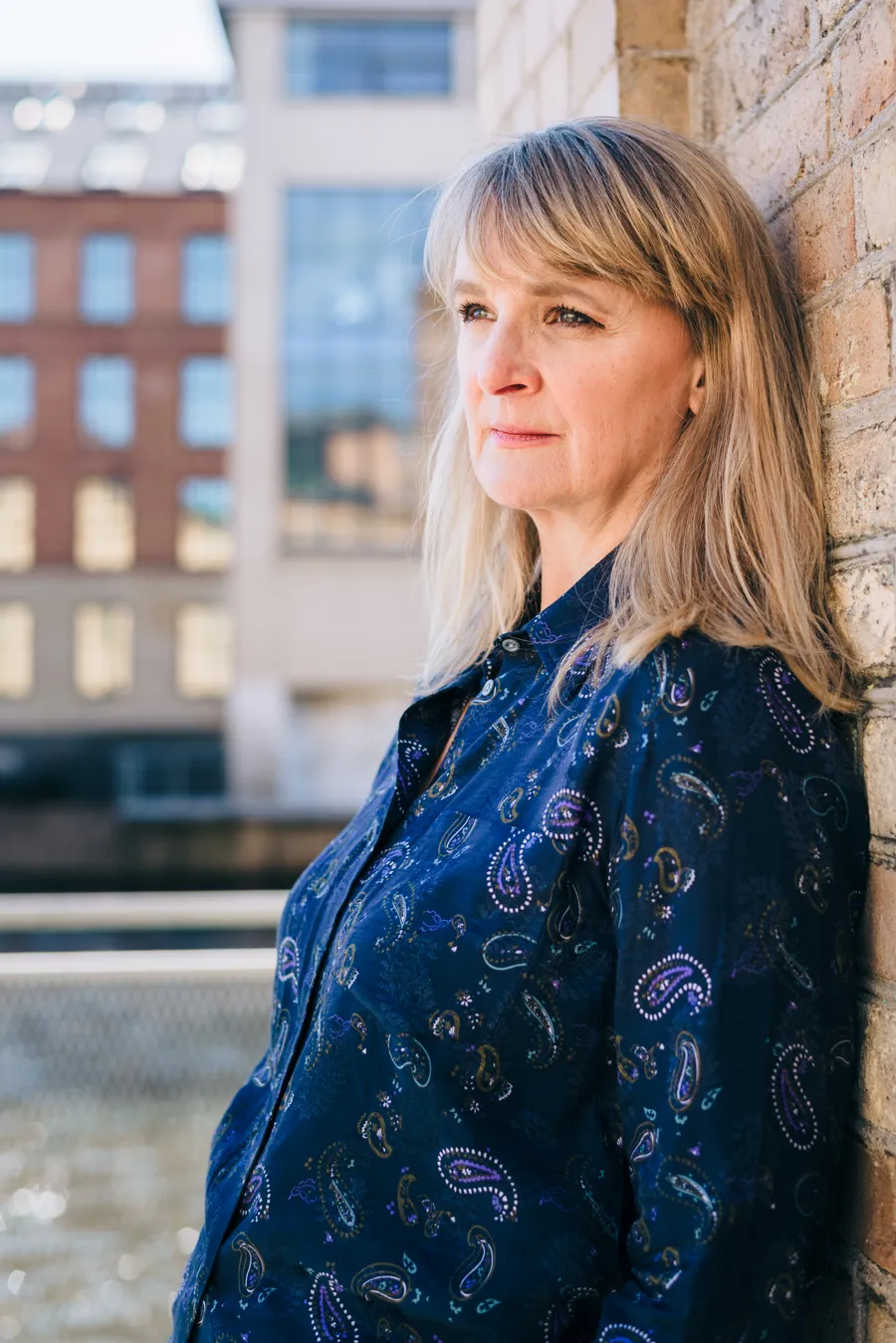 Anna Nilsen
Most were granted refugee status under international conventions whilst they were still detained. Not all of them survived.
”One young 24-year-old man had sepsis in his foot that was untreated. And by the time he was medically evacuated to Australia, because there is no proper hospital on Manus Island, he had a massive heart attack and died. So this is wrongful death. Another man was bashed to death by prison guards. And a number of people committed suicide.”
In a case concerning a survivor from Manus Island, the UN Committee Against Torture recently clarified that a state remains responsible for conditions on the ground when asylum processing is outsourced outside its borders. Claudia Tazreiter says it is a shame that the EU is now heading in this direction:
”I would have expected that Europe, looking to Australia, would say we should never go down this path. It is a huge breach of human rights. So then what happens to Europe understanding itself as the bastion of human rights in the world? Gone.”
Claudia Tazreiter emphasises that migration needs to be seen as a natural part of a broader social change that affects everyone – not just refugees, but also indigenous peoples, other minorities and the majority population. Instead she observes how migration and minority issues are actively separated from other social issues in politics and public debate as well as at times in research.
”When migration is viewed in isolation from other aspects of social change, it creates a false impression that immigrants are a problem in society, that they are a problem that needs to be solved. This means there is no need to acknowledge the broader, overarching issues concerning the way we live.”
The very same Western countries that have historically seen themselves as the centre of human rights, open democratic societies, holding supposedly liberal values have convinced their populations that these laws are needed as protection against outsiders, with the Muslim terrorist as the enemy picture.
”These political measures affect migrant populations, yes, but they also affect the social cohesion and democratic values within countries like Australia, Sweden and across the European Union. Now there is an acceleration of these approaches that result in policy and law that, of course, builds social attitudes.”
Claudia Tazreiter has noted that the colonial relationship with the Sami people is rarely integrated into the general picture of Sweden, whilst settler colonial legacy is very much in the sightline of the Australian public and politics. She argues that there is greater awareness of how both Indigenous peoples and refugees have been subordinated in Australia – or ‘minoritised’, as it is termed in research. This also fosters an understanding that these problems are not suddenly resolved, that they go on intergenerationally.
Migration, colonial legacies and democratic values
In a new research project led by Claudia Tazreiter, Sweden’s self-image as a country free of colonial issues is being challenged.
”It is not so much about diagnosing what went wrong in the past, although that is the backdrop, but to work with different communities that are, as I say, minoritised. They don't tend to be very prominent and heard in Swedish society. We can see similar things mapped across Europe.”
Claudia Tazreiter says that people don’t always hear about why there are refugees in the world or about the history of the conflicts. She believes broader discourses acknowledging historical facts that drive conflict are necessary to create change.
”We Europeans are involved in the conflicts that create displaced persons and refugees. And when they then come to us seeking protection within the framework of the human rights architecture established after the Second World War, we do not want them and we want to send them to some distant third country that we pay to intern them. It is a Kafkaesque situation.”
One truth that should be highlighted according to Claudia Tazreiter is that the vast majority of the world’s refugees are not in Europe, but in camps in Africa, Asia and Latin America.
”What the public is being told by political leaders across Europe are often lies. And hopefully the public realise this and rise up, which is what they've done in Australia as well. ’Not in my name.’ This chant that's also happening in relation to Gaza: Not in my name, that you send military hardware to Israel to kill children. Not in my name that you send a refugee to a remote nation where they will die in detention.”


