ÌÇÐÄÍøÒ³°æ Neuroscience Retreat 2026
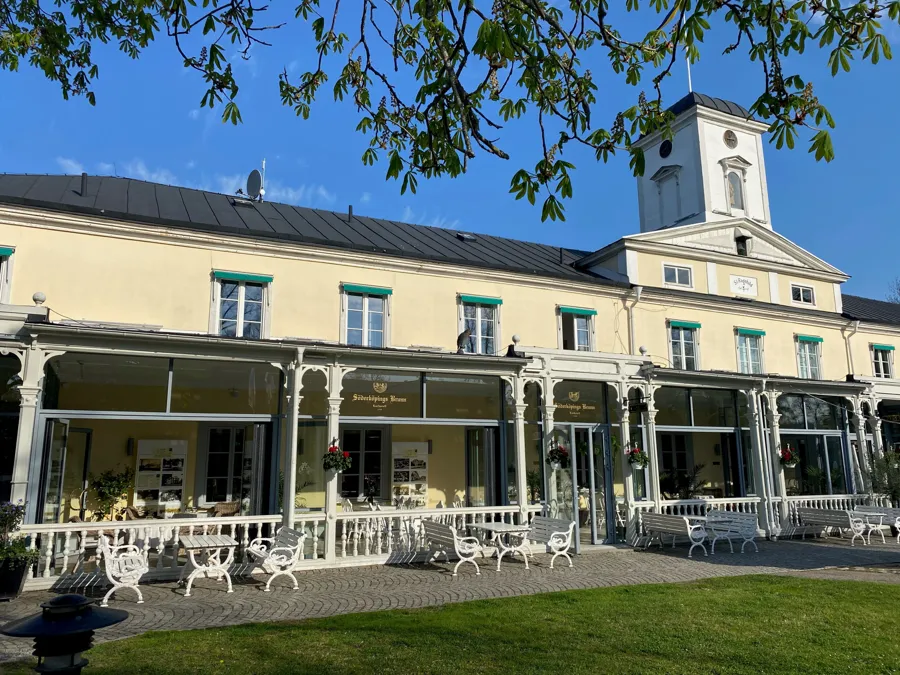
Center for Systems Neurobiology at ÌÇÐÄÍøÒ³°æ is organizing a retreat on May 6–8, 2026 at Söderköpings brunn. Check out the program below.
Day 1 – Wednesday May 6th
Program (pdf)
08:30 Buses leave Linköping (pick-up at/near Campus US and Campus Valla)
09:30 Arrival Söderköpings brunn. Registration, coffee and sandwich.
10:30 Welcome!
10:40 Theme 1: Of Mice and Men: Pain, Temperature and Mechanoreception
Chair: Anders Blomqvist, Linköping University
10:40 Marcin Szczot, Linköping University
Organization of pelvic mechanonociceptive pathways revelead by activity labeling
11:00 Saad Nagi, Linköping University
Linking Molecular Identity to Function in Human Somatosensory Neurons
11:20 – 12:15 James Poulet, Max Delbrück Center and Charité Universitätsmedizin, Berlin, Germany
Neuronal circuits of thermal perception
12:30 Lunch
14:00 Theme 2: Immune brain interaction
Chair: David Engblom, Linköping University
14:05 Rosa Chiara Paolicelli, University of Lausanne, Switzerland
Microglia in brain development, health and disease
14:45 Marco Pignatelli, Washington University
A neuroimmune circuit mediates cancer cachexia-associated apathy
Short break
15:45 Julie Lasselin, Karolinska institutet
The emotional response to experimental endotoxemia
16:30 Coffee and check in
17:00 – 19:00 Social activities
Several activities will be available
19:00 Dinner
Abstracts day 1
Theme 1: Of Mice and Men: Pain, Temperature and Mechanoreception
Saad Nagi
Affiliation: Linköping University
Short Bio:
Saad Nagi is an Associate Professor at Linköping University specializing in human microneurography and peripheral mechanisms of pain. He completed his PhD in pain physiology in Australia, followed by postdoctoral training in Sydney and Linköping.
His research focuses on how pain signals originate and are shaped in the peripheral nervous system. By combining single-nerve recordings in awake humans with quantitative sensory testing and molecular profiling, his work shows how peripheral sensory neurons dynamically contribute to pain rather than serving as passive relays.
He leads an independent research program supported by national and international funding bodies, and his work has received international recognition, including a plenary lecture at the European Pain Federation Congress.
Title of talk: Peripheral Reprogramming of Human Somatosensory Neurons in Inflammatory Pain
Highlights/Short abstract:
A small burn can render a large surrounding area of skin painfully tender. This widespread hyperalgesia is typically attributed to central mechanisms, yet the contribution of peripheral sensory neurons remains unclear.
Using single-unit microneurography in humans, we recorded identified cutaneous afferents before and after inducing a localized inflammatory flare through TRPV1 activation. Within minutes, this triggered a reweighting of peripheral input across molecularly defined afferent classes. Myelinated Aβ tactile afferents showed reduced responsiveness, whereas Aβ-range mechano-nociceptors exhibited marked sensitization.
These changes were paralleled by reduced tactile sensitivity and increased mechanical pain perception. Recruitment of previously mechanically silent branches in Aβ mechano-nociceptors further expanded nociceptive signaling beyond the inflamed site.
Building on ligand-receptor predictions derived from human single-cell RNA sequencing data, we show that this peripheral reprogramming can be prevented by diclofenac, a non-steroidal anti-inflammatory drug that inhibits prostaglandin synthesis, providing functional support for a molecularly informed pathway mediating interactions between afferent populations.
Together, these findings suggest that rapid peripheral interactions between afferent populations actively contribute to human hyperalgesia, complementing central mechanisms.
Selected publications on the topic of your talk:
1. Bouchatta et al. 2026, Rapid peripheral reprogramming of myelinated afferents drives human hyperalgesia. bioRxiv [Preprint]. DOI:
2. Yu et al. 2024, Leveraging deep single-soma RNA sequencing to explore the neural basis of human somatosensation. Nature Neuroscience 27:2326-2340. DOI:
3. Nagi et al. 2019, An ultrafast system for signaling mechanical pain in human skin. Science Advances 5(7):eaaw1297. DOI:
James Poulet
Affiliation: Max Delbrück Center and Charité Universitätsmedizin Berlin
Short Bio:
Sensory perception shapes everyday conscious experience and is disrupted in psychiatric disorders. It relies on integrating external inputs (e.g., touch, temperature) with internal signals such as body states and motor predictions. For over 20 years, I have used electrophysiological and optical methods in awake, behaving animals to study sensory integration in the field of systems neuroscience.
I studied Biology as an undergraduate at the University of Bristol and was inspired to work on systems neuroscience following a project in the lab of Prof Ala Roberts working on the tadpole Xenopus laevis spinal cord during swimming, I then completed my PhD at Cambridge University and worked on the cricket auditory system. Here I worked on song pattern recognition by female crickets on a trackball system, and discovered an efference copy mechanism that suppressed the auditory system during song production to protect the singing male from deafening itself. I then completed a postdoc in Lausanne at the EPFL and examined cortical and thalamic states in performed whole-cell patch clamp in the awake mice during whisker movements.
In my own lab at the Max Delbruck Center we established the mouse thermal system as a model for sensory neuroscience, revealing how thermal circuits shape perception and behavior. I am committed to fostering an inclusive, collaborative environment, and am proud that lab members have progressed to positions in academia and industry. We now use this system to address fundamental questions about thermal perception and how core body physiology influences brain function and perception.
Title of talk: Neuronal circuits of thermal perception
Highlights/Short abstract:
The thermosensory system plays a key role in shaping somatosensory perception, regulating core body physiology and avoiding harm. The circuits underlying thermal perception are less understood than for other sensory systems, but recent research has shed light on the wiring, cellular encoding principles, and their link to perception. While thermosensation was traditionally viewed as a slower, modulatory sense, it is now recognized as a fast and sensitive sensory system that exhibits complex features such as multisensory integration and sensory illusions. Here I will discuss recent progress in the understanding of innocuous thermal processing and perception. Intriguingly, while warm and cool reflect the same physical property, there are notable differences in their perception and encoding in the nervous system. I argue that the thermal system is an excellent model to advance our understanding of the neural mechanisms of sensory perception and sensory guided behaviours.
Selected publications on the topic of your talk
1. Carta M., Vestergaard M., Poulet JFA (2026). The neuronal circuits and cellular encoding of thermosensation. Nature Reviews Neuroscience, 27,219-235.
2. Vestergaard, M., Carta, M., Güney, G., and Poulet, J.F.A. (2023). The cellular coding of temperature in the mammalian cortex. Nature, 614, 725–731.
3. Leva T., Whitmire C., Sauve I., Bokiniec P., Memler C., Horn B., Vestergaard M., Carta M., Poulet J.F.A. (2024) The cellular representation of temperature across the somatosensory thalamus. bioRxiv,
4. Milenkovic N., Zhao W.-J., Walcher J., Albert T., Siemens J-E, Lewin G. Poulet J.F.A. (2014) A somatosensory circuit for cooling perception in mice. Nature Neuroscience, 17: 1560-1566.
Theme 2: Immune brain interaction
Rosa Chiara Paolicelli
Affiliation: University of Lausanne, Department of Biomedical Sciences
Short Bio:
Rosa obtained a Bachelor’s degree in Medical Biotechnology from the University of Bologna, Italy, followed by a Master’s in Molecular Neuroscience at the University of Bristol, UK. She then completed a PhD in Cellular and Molecular Biology at the European Molecular Biology Laboratory (EMBL), before undertaking postdoctoral training at the Institute of Regenerative Medicine at the University of Zurich. Since 2018, Rosa joined the Department of Biomedical Sciences at the University of Lausanne, where she is currently an associate professor and head of the Microglia Biology Lab. Her research explores the molecular and cellular mechanisms that regulate microglial function in health and disease, with a particular focus on genetic risk factors and metabolic control. Combining complementary in vitro and in vivo approaches, her lab investigates how microglial dysfunction contributes to brain development and neurodegeneration.
Title of talk: Microglia in brain development, health and disease
Highlights/Short abstract:
Microglia, the innate immune cells of the CNS, are key regulators of both physiological and pathological processes. These long-lived, yolk-sac-derived cells migrate into the neuroepithelium during early embryonic stages, where they colonize the brain and develop increasing morphological and functional complexity. Microglia, highly motile and phagocytic, are central inflammatory mediators. Beyond immunity, they contribute to gliogenesis, neurogenesis, vasculogenesis, synaptic refinement, and myelination, thus playing crucial roles in brain development and homeostasis throughout life. Traditionally viewed as passive responders to injury or infection, microglia were long considered as ‘resting’ cells that ‘activate’ only upon pathological insults. However, advances in live imaging and genetic tools have overturned this notion, revealing that microglia are constantly active and, when dysfunctional, they may contribute to -and even drive- disease onset and progression. Here, we discuss how microglia shape brain function during development and how risk genes associated with neurodegeneration may influence microglial biology with long-term consequences for brain function and behavior.
Selected publications:
1. Matera A, Compagnion AC, Pedicone C, Kotah JM, Ivanov A, Monsorno K, Labouèbe G, Leggio L, Pereira-Iglesias M, Beule D, Mansuy-Aubert V, Williams TL, Iraci N, Sierra A, Marro SG, Goate AM, Eggen BJL, Kerr WG, Paolicelli RC. Microglial lipid phosphatase SHIP1 limits complement-mediated synaptic pruning in the healthy developing hippocampus. Immunity. 2025 Jan 14;58(1):197-217.e13. PMID: 39657671
2. Monsorno K, Ginggen K, Ivanov A, Buckinx A, Lalive AL, Tchenio A, Benson S, Vendrell M, D'Alessandro A, Beule D, Pellerin L, Mameli M, Paolicelli RC. Loss of microglial MCT4 leads to defective synaptic pruning and anxiety-like behavior in mice. Nat Commun. 2023 Sep 16;14(1):5749. PMID: 37717033
3. Paolicelli RC, Sierra A, Stevens B, Tremblay ME, et al. Microglia states and nomenclature: A field at its crossroads. Neuron. 2022 Nov 2;110(21):3458-3483. PMID: 36327895
4. Pedicone C, Fernandes S, Matera A, Meyer ST, Loh S, Ha JH, Bernard D, Chisholm JD, Paolicelli RC, Kerr WG. Discovery of a novel SHIP1 agonist that promotes degradation of lipid-laden phagocytic cargo by microglia. iScience. 2022 Mar 26;25(4):104170. PMID: 35465359
Marco Pignatelli
Affiliation: Washington University
Short Bio:
Marco Pignatelli, MD is a Physician scientist and Assistant Professor of Psychiatry at Washington University in St. Louis and a rising leader in synaptic physiology and neuropsychiatry. His work integrates electrophysiology, pharmacology, and behavior to uncover how experience shapes synaptic plasticity and contributes to disorders such as PTSD, schizophrenia, and depression. Marco earned his M.D. and completed a Residency in Clinical Pharmacology at Sapienza University of Rome. Then, Marco moved to the United States where he continued his scientific trajectory at the National Institutes of Health. Marco has made influential discoveries on stress-induced dopamine plasticity, circuit mechanisms of emotional behavior, and synaptic deficits linked to psychiatric disease. Marco has been awarded a NARSAD Young Investigator Grant and named a P&S Fund Investigator by the Brain and Behavior Research Foundation as well as the A.E. Bennett Basic Research Award by the Society of Biological Psychiatry. He is currently funded by the NIH by the Wellcome Trust Fundation.
Title of talk: A neuroimmune circuit mediates cancer cachexia-associated apathy
Highlights/Short abstract:
Cachexia, a severe wasting syndrome associated with inflammatory conditions, often leads to multiorgan failure and death. Patients with cachexia experience extreme fatigue, apathy, and clinical depression, yet the biological mechanisms underlying these behavioral symptoms and their relationship to the disease remain unclear. In a mouse cancer model, cachexia specifically induced increased effort-sensitivity, apathy-like symptoms through a cytokine-sensing brainstem-to-basal ganglia circuit. This neural circuit detects elevated interleukin-6 (IL-6) at cachexia onset and translates inflammatory signals into decreased mesolimbic dopamine, thereby increasing effort sensitivity. We alleviated these apathy-like symptoms by targeting key circuit nodes: administering an anti-IL-6 antibody treatment, ablating cytokine sensing in the brainstem, and optogenetically or pharmacologically boosting mesolimbic dopamine. Our findings uncovered a central neural circuit that senses systemic inflammation and orchestrates behavioral changes, providing mechanistic insights into the connection between chronic inflammation and depressive symptoms.
Selected publications:
1. Zhu XA, Starosta S, Ferrer M, Hou J, Chevy Q, Lucantonio F, Muñoz-Castañeda R, Zhang F, Zang K, Zhao X, Fiocchi FR, Bergstrom M, Siebels AA, Upin T, Wulf M, Evans S, Kravitz AV, Osten P, Janowitz T, Pignatelli M, Kepecs A. A neuroimmune circuit mediates cancer cachexia-associated apathy. Science. 2025 Apr 11;388(6743):eadm8857. Epub 2025 Apr 11. PMID: 40208971; PMCID: PMC13051291.
Julie Lasselin
Affiliation: Karolinska Institutet, Department of Clinical Neuroscience / Linköping University, Department of Biomedical and Clinical Sciences (BKV) / Stockholm University, Department of Psychology
Short Bio:
Julie Lasselin is Associate Professor at Karolinska Institutet and Stockholm University, and Co-Director and Director of Research at the Osher Center for Integrative Health at KI, and guest lecturer at LiU. Trained in psychoneuroimmunology, her research investigates the integrative science of sickness in humans, characterizing the multifaceted expression of sickness behavior, uncovering its psychobiological mechanisms, and examining its adaptive relevance. Her work bridges psychology, neuroscience, and immunology, with the aim of advancing knowledge on the bi-directional links between inflammatory processes and behavior, emotions, and health outcomes. Julie is also Editor-in-Chief of Comprehensive Psychoneuroendocrinology, and Associate Editor for Brain, Behavior, and Immunity.
Title of talk: The emotional response to experimental endotoxemia
Highlights/Short abstract:
Inflammation is now widely recognized as a significant risk factor for mood disorders, including major depression. For the past three decades, the model of experimental endotoxemia has been a cornerstone in psychoneuroimmunology, shedding light on the central mechanisms linking inflammation to psychiatric-relevant symptoms. However, the relevance of this acute model to inflammation-associated depression has rarely been openly challenged.
In this talk, I will provide an overview of findings from our research group and others, illustrating how experimental acute inflammation impacts mood symptoms and reward processing. I will also share recent data from our research group that suggests a potential distinction between the sickness response—characterized by malaise, bodily pain, and fatigue—and the emotional response—encompassing negative mood and anxiety—during experimental endotoxemia. This distinction echoes the neurovegetative versus mood syndromes observed in patients undergoing immunotherapy.
Finally, I will explore the challenges of extrapolating results from the acute inflammation model of experimental endotoxemia to chronic conditions like inflammation-associated depression. While acknowledging the model's limitations, I will emphasize its unique strengths and its potential to drive the field of immunopsychiatry forward.
Selected publications:
1. Skarp R., Hansson LS., Sundelin T, Paues S, Janson M, Balter LJT, Mats JO, Axelsson J, Lekander M, Lasselin, J. The motivational drives of sickness: Acute changes in self-rated motivation during experimental endotoxemia assessed with the newly developed Motivation Scale of Sickness (MOSSick). Comprehensive Psychoneuroendocrinology. 2025 24: 100327.
2. Balter LJT, Li X, Schwieler L, Erhardt S, Axelsson J, Olsson MJ, Lasselin J, Lekander M. Lipopolysaccharide-induced changes in the kynurenine pathway and symptoms of sickness behavior in humans. Psychoneuroendocrinology, 2023, 153:106110. PMID: 37075653.
3. Lasselin J. Back to the future of psychoneuroimmunology: studying inflammation-induced sickness behavior. Brain Behav Imm – Health, 2021, 18:100379. PMID: 34761246.
4. Lasselin J, Lekander M, Benson S, Schedlowski M, Engler H. Sick for Science: Experimental endotoxemia as a translational tool to develop and test new therapies for inflammation-associated depression. Molecular Psychiatry, 2021, 26:3672–3683. . PMID: 32873895.
5. Månsson KNT/Lasselin J, Karshikoff B, Axelsson J, Engler H, Schedlowski M, Benson S, Petrovic P, Lekander M. Anterior insula morphology and vulnerability to psychopathology-related symptoms in response to acute inflammation. Brain Behav Immun, 2021, 99:9-16. . PMID: 34547400.
6. Hansson LS, Axelsson J, Petrovic P, Paues Göranson S, Olsson MJ, Lekander M, Lasselin J. Regulation of emotions during experimental endotoxemia: a pilot study. Brain Behav Immun, 2021, 93:420-424. . PMID: 33493626.
7. Lasselin J, Treadway MT, Lacourt TE, Soop A, Olsson MJ, Karshikoff B, Paues-Göranson S, Axelsson J, Dantzer R, Lekander M. Lipopolysaccharide alters motivated behavior in a monetary reward task: a randomized trial. Neuropsychopharmacology, 2017, 42(4):801-810. . PMID: 27620550.
Day 2 – Thursday May 7th
07:00 Breakfast
08:30 Theme 3: Psychedelics: Searching for mechanism in the mayhem
Chair: Leah Mayo, University of Calgary / Linköping University
08:35 Rosemary Bagot, McGill University, Canada
Profiling the cell-type specific effects of psilocybin in medial prefrontal cortex
09:15 Omar Ahmed, University of Michigan, US
Rules for psychedelic therapeutic neuroplasticity in health and disease
10:00 Coffee break
10:45 Friederike Holze, University Hospital Basel, Switzerland
Clinical Pharmacology of Classical Psychedelics and MDMA
11:30 Leah Mayo, University of Calgary
Operationalizing ‘set and setting’ in psychedelic research
12:30 Lunch
14:00 – 16:30 Poster session
14:00 Poster presentations
Five poster presenters will be selected based on submitted abstracts
14:30 Poster session (including coffee)
Poster session where the poster presenters are available for questions and discussions at their poster
17:00 – 19:00 Social activities
Several activities will be available, among them:
17:00 “Spring time� on the Neuroretreat – Run with us!
Everyone who wants an energizer before dinner – join a guided running route (approx. 3, 6 or 8 km). Meet up at 17:00 in the hotel lobby.
19:00 Dinner
Abstracts day 2
Theme 3: Psychedelics: Searching for mechanism in the mayhem
Rosemary Bagot
Affiliation: McGill University
Short Bio:
Dr. Rose Bagot is an Associate Professor in the Department of Psychology at McGill University, Montréal, Canada, a Principal Investigator at the Ludmer Centre for Neuroinformatics and Mental Health and the Tier II Canada Research Chair in Behavioural Neurogenomics. Dr Bagot’s research integrates molecular, synaptic and circuit neuroscience techniques with robust mouse behavioral models to examine how experience alters brain and behaviour. Work in her lab is focused on understanding the mechanisms of affect and how experiences like chronic stress or psychedelics can alter affective processing.
Title of talk: Profiling the cell-type specific effects of psilocybin in medial prefrontal cortex
Highlights/Short abstract:
The ever-increasing burden of psychiatric disorders and limitations of current treatments have fueled enormous interest in the therapeutic potential of psychedelics. Yet how psychedelics, such as psilocybin, produce lasting therapeutic effects is unclear. We first confirm that psilocybin induces sustained increases in synaptic transmission in mouse medial prefrontal cortex. Using scRNA-sequencing to probe cell-type specific mechanisms of this sustained neuroplastic effect, we find that plasticity-related genes are increased in excitatory neurons and identify a previously overlooked type of deep layer near projecting neuron that is robustly regulated in the medial prefrontal cortex 24h after psilocybin. We show that this cell-type specificity does not align with 5-HT2A receptor expression but is predicted by 5-HT2C expression patterns. Finally, we show that pre-treatment with a 5-HT2C antagonist blocks the sustained effect of psilocybin on synaptic transmission. Overall, our findings point to L5/6 NP neurons as another mediator of psilocybin’s sustained neuroplastic effects.
Selected publications:
1. Schuler, Zhou et al., BioRxiv, 2025. Cell-type specific transcriptional modulation by psilocybin induces sustained plasticity in mouse medial prefrontal cortex doi:
2. Meccia, Lopez & Bagot, Psychopharmacology, 2023. Probing the antidepressant potential of psilocybin: integrating insight from human research and animal models towards an understanding of neural circuit mechanisms
Omar J. Ahmed
Affiliation: University of Michigan
Short Bio:
Dr. Omar J. Ahmed is an Associate Professor with tenure at the University of Michigan in the Brain & Behavior area of the Dept. of Psychology and is affiliated with the Dept. of Biomedical Engineering, the Neuroscience Graduate Program, the NIH Udall Center of Excellence for Parkinson’s Research, the Michigan Alzheimer’s Disease Center, and the Michigan Psychedelics Center. He earned his bachelor’s and Ph.D. degrees in neuroscience from Brown University, with three intervening years at a startup focused on cryptographic encryption for secured documents. He completed his postdoctoral training at the Dept. of Neurology of Harvard Medical School. At UM, his lab investigates how neural circuits, particularly in a brain region called the retrosplenial cortex, encode space, time, and memory. Using advanced techniques including massive-scale electrophysiology, bioinformatics, and AI-driven analyses, the lab explores how psychedelics can induce lasting neuroplasticity, offering potential avenues for treating a multitude of cognitive disorders. He also teaches courses on psychedelics, neural circuits, and AI and was the recipient of the Class of 1923 Memorial Teaching Award at UM, Frances & Kenneth Eisenberg Scholar Award from the Depression Center, the Outstanding Mentor Award from LSA, the Harvard University Certificate of Teaching Excellence 4 times, and the Young Investigator Award from the American Epilepsy Society.
Title of talk: Rules for psychedelic therapeutic neuroplasticity in health and disease
Highlights/Short abstract:
Classical psychedelic drugs show promise as a treatment for major depressive disorder and related neuropsychiatric disorders. This therapeutic efficacy is thought to involve neurons in the prefrontal cortex that express serotonin 2A receptors. Here, using neural circuit cracking, genetic engineering, pharmacology, and machine learning, we discover extensive actions of psychedelic drugs that are independent of serotonin 2A receptors. We find that psychedelic drugs acutely target channels that are ubiquitously expressed across the brain and show that even neurons lacking serotonin 2A receptors can show a long-lasting boost in neuroplasticity after psychedelic treatment. These results highlight a broader psychedelic therapeutic utility than currently appreciated and also suggest the need to be wary of actions on previously unexpected cells and synapses.
Selected publications:
1. Ekins TG, Rybicki-Kler C, Deng T, Brooks I, Jedrasiak-Cape I, Donoho E, Ahmed OJ (2025). Psychedelic neuroplasticity of cortical neurons lacking 5-HT2A receptors. Molecular Psychiatry 31:1431-1442
2. Brouns EJ, Ekins TG, Ahmed OJ (2025). Single-dose psychedelic enhances cognitive flexibility and reversal learning in mice weeks after administration. Psychedelics 1(3):29–35
3. Ekins TG, Brooks I, Kailasa S, Rybicki-Kler C, Jedrasiak-Cape I, Donoho E, Mashour GA, Rech J, Ahmed OJ (2023). Cellular rules underlying psychedelic control of prefrontal pyramidal neurons bioRxiv 2023.10.20.563334;
Friederike Holze
Affiliation: Division of Clinical Pharmacology and Toxicology, University Hospital Basel, Switzerland
Short Bio:
Friederike Holze is a Swiss psychopharmacology researcher specializing in psychedelics and their therapeutic potential. She began psychedelic research in 2017 in Prof. Matthias Liechti’s group at University Hospital Basel, where she completed her PhD in 2021 focusing on the pharmacology of LSD. During this time, she conducted Phase I and II studies examining LSD pharmacokinetics and pharmacodynamics and established a dose–effect relationship across 5–200 µg. Her work also compared the acute effects of LSD, MDMA, psilocybin, and d-amphetamine to clarify their distinct pharmacological profiles and therapeutic relevance.
During a postdoctoral fellowship at the Neurobiology Research Unit at Rigshospitalet Copenhagen with Prof. Gitte Knudsen, she began studying psychedelics using neuroimaging methods such as PET and fMRI. Dr. Holze has supervised more than 200 psychedelic sessions in controlled research settings. Her work has received multiple awards, including the 2023 ACNP NEATOR Award for research comparing LSD and psilocybin, the 2024 SOBP Sommerfeld-Ziskind Award for a Phase II LSD study in anxiety disorders, and Young Investigator Awards from the Mind Foundation (2019) and the Swiss Society of Biological Psychiatry (2024).
Title of talk: Clinical Pharmacology of Classical Psychedelics and MDMA
Highlights/Short abstract:
Classic psychedelics and entactogens are promising candidates for treating psychiatric and neurological disorders, driving renewed research into their pharmacology, mechanisms, and safety. Classic psychedelics (psilocybin, LSD, DMT, mescaline) primarily act as 5-HT2A receptor agonists but differ in secondary receptor interactions. Entactogens like MDMA act mainly through serotonin transporter inhibition and neurotransmitter release. Despite clinical interest, the relationship between receptor binding and behavioral effects remains unclear. Understanding dose equivalence, drug interactions, pharmacokinetics, and safety is essential for therapeutic application. This talk will examine key aspects of the clinical pharmacology of psychedelics and entactogens, emphasizing dosing, comparative effects, and implications for individualized treatment.
Selected publications:
1. Holze F, Singh N, Liechti ME, D'Souza DC. Serotonergic psychedelics: a comparative review of efficacy, safety, pharmacokinetics, and binding profile. Biol Psychiatry Cogn Neurosci Neuroimaging 2024; 9(5): 472-489. DOI:
2. Becker AM, Holze F, Grandinetti T, Klaiber A, Toedtli VE, Kolaczynska KE et al. Acute effects of psilocybin after escitalopram or placebo pretreatment in a randomized, double-blind, placebo-controlled, crossover study in healthy subjects. Clin Pharmacol Ther 2022; 111: 886-895. DOI:
3. Becker AM, Klaiber A, Holze F, Istampoulouoglou I, Duthaler U, Varghese N et al. Ketanserin reverses the acute response to LSD in a randomized, double-blind, placebo-controlled, crossover study in healthy participants. Int J Neuropsychopharmacol 2023; 26(2): 97-106. DOI:
4. Holze F, Gasser P, Muller F, Dolder PC, Liechti ME. Lysergic acid diethylamide-assisted therapy in patients with anxiety with and without a life-threatening illness: a randomized, double-blind, placebo-controlled phase II study. Biol Psychiatry 2023; 93(3): 215-223. DOI:
Leah Mayo
Affiliation: University of Calgary
Short Bio:
Leah Mayo is the Parker Psychedelic Research Chair, Lead of Novel Therapeutics, and an Associate Professor in the Department of Psychiatry at the University of Calgary, where she leads the Psychedelic and Cannabinoid Therapeutics (PaCT) Lab. The PaCT lab explores novel pharmacotherapeutic opportunities for stress-related disorders by leveraging translational, mechanism-informed findings from animal models to clinical trials. Leah completed her postdoctoral training with Markus Heilig at the Center for Social and Affective Neuroscience at Linkoping University and received a PhD in Neurobiology from the University of Chicago, under the mentorship of Harriet de Wit.
Title of talk: Operationalizing ‘set and setting’ in psychedelic research
Highlights/Short abstract:
There has been a resurgence of interest in psychedelics as novel mental health interventions. However, factors driving the most notable features of these compounds – the pronounced subjective effects – are unclear. Some believe these acute effects are crucial in conveying the lasting therapeutic outcomes, while others are trying to engineer psychedelic-like drugs that remove this feature completely. This talk will explore how both internal and external factors, commonly referred to as ‘set and setting’ relate to the psychedelic experience, leveraging translation work in mice, healthy humans, and clinical populations.
Selected publications:
1. Cook SG, Lee S, Ference E, Shi Y, Baimoukhametova D, Rojas-Carvajal M, Hen R, Bains JS, Turi GF, Füzesi T. Psilocybin induces sex- and context-specific recruitment of the stress axis. Curr Biol. 2026 Jan 5;36(1):122-132.e4. . Epub 2025 Dec 9. PMID: 41371219.
2. Molla H, Lee R, Tare I, de Wit H. Greater subjective effects of a low dose of LSD in participants with depressed mood. Neuropsychopharmacology. 2024 Apr;49(5):774-781. . Epub 2023 Dec 2. PMID: 38042914; PMCID: PMC10948752.
3. Bogenschutz MP, Ross S, Bhatt S, Baron T, Forcehimes AA, Laska E, Mennenga SE, O'Donnell K, Owens LT, Podrebarac S, Rotrosen J, Tonigan JS, Worth L. Percentage of Heavy Drinking Days Following Psilocybin-Assisted Psychotherapy vs Placebo in the Treatment of Adult Patients With Alcohol Use Disorder: A Randomized Clinical Trial. JAMA Psychiatry. 2022 Oct 1;79(10):953-962. .
Poster Session Abstracts and abstract list
Day 3 – Friday May 8th
7:00 Breakfast and check out
8:30 Theme 4: Migraine
Chair: Håkan Olausson and Katarina Laurell, Linköping University
08:35 Wenqin Luo, University of Pennsylvania
Molecular and Cellular Mechanisms Underlying Human Trigeminal Sensation and Migraine
09:15 Martin Kaag Rasmussen, Copenhagen University, Denmark
A new path in migraine
10:00 Coffee and check out
10:45 Lars Edvinsson, Lund University
CGRP from discovery to successful medicine for migraine
11:30 Anna Rostedt Punga, Uppsala University, Sweden
Long-term Neuromuscular Alterations During Botulinum Toxin Treatment for Chronic Migraine
12:15 Concluding words
12:30 Lunch
13:30 Buses leave Söderköpings Brunn (drop-off at/near Campus US/Valla around 14:30)
Abstracts day 3
Theme 4: Migraine
Wenqin Luo
Affiliation: University of Pennsylvania
Short Bio:
Wenqin Luo, MD, PhD is Professor of Neuroscience at the University of Pennsylvania Perelman School of Medicine and Director of the Penn Human Precision Pain Center (HPPC), one of the NIH HEAL PRECISION Human Pain Network U19 centers. She received her MD from Hunan Medical University, her MS in Molecular Biology from Peking Union Medical College, and her PhD in Neuroscience, mentored by Dr. Jeremy Nathans, from Johns Hopkins University. She completed postdoctoral training with Dr. Lawrence Katz at Duke University and with Dr. David Ginty at Johns Hopkins University before joining the Penn faculty in 2011. Her multidisciplinary training in medicine, molecular biology, and neuroscience shapes her combinational approach to understanding human pain mechanisms.
Dr. Luo’s research focuses on the molecular and cellular logic of somatosensation, with particular emphasis on pain, itch, and touch in both physiological and pathological states. Her laboratory pioneered laser-capture microdissection–based single-soma deep RNA sequencing of human sensory neurons, enabling high-resolution molecular profiling of dorsal root and trigeminal ganglion neurons from consented donors. Through integrated single-cell genomics, spatial transcriptomics, mouse genetics, and functional analyses, her work has revealed previously unrecognized sensory neuron subtypes and uncovered species-specific mechanisms underlying human somatosensation. These efforts provide a foundational framework for understanding chronic pain conditions, including migraine.
As Director of the Penn Human Precision Pain Center, Dr. Luo leads interdisciplinary initiatives that bridge human tissue-based discovery with functional validation and therapeutic development. Her work aims to define novel mechanisms of chronic pain and to translate these discoveries into precision-targeted interventions for patients suffering from pain disorders. In addition to her research contributions, she is committed to mentoring the next generation of neuroscientists and has trained numerous graduate students and postdoctoral fellows who have gone on to independent scientific careers.
Title of talk: Molecular and Cellular Mechanisms Underlying Human Trigeminal Sensation and Migraine
Highlights/Short abstract:
Primary somatosensory neurons in the trigeminal ganglion (TG) neurons detect internal and external stimuli from the head and are critical players in migraine and headachs. Currently, the the molecular and cellular features of human TG neurons and their changes in diseases are largely elusive. To reveal the molecular profiles of human primary TG neurons and pathology associated with migraine, our team used laser capture microdissection (LCM) —avoiding dissociation-related technical issues — to isolate and enrich individual human TG neuron soma and combined it with Smart-seq2 for deep single-soma RNA sequencing for fine granuarity, as well as 10x Visium and Xenium spatial transcriptomics to discover and validate molecular features in situ. In addition, we conducted single-nuclei multiome and DNA methylation sequencing to elucidate epigenetic lanscapes. Our comprehensive approaches have led to several key novel findings about human TG neurons and potential pathological changes of migraine.
Martin Kaag Rasmussen
Affiliation: Center for Translational Neuromedicine, Copenhagen University.
Short Bio:
Martin Kaag Rasmussen is postdoc and group leader at Centre for Translational Neuromedicine, Copenhagen University as well as residency neurologist at Bispebjerg Hospital. He did his PhD in the labs of Maiken Nedergaard and Alex Chesler at NIH, USA where he explored the signaling mechanisms between the brain and the peripheral sensory system in a mouse model of migraine with aura. In 2025 he received funding to start an independent research group. The Kaag Rasmussen lab is now working on dissecting out the role of putative migraine inducing proteins and evaluating their potential as future migraine drug targets.
Title of talk: A new path in migraine
Highlights/Short abstract:
How does pathological processes in the brain activate peripheral nociceptors to produce headache? In a recent paper we describe a cerebrospinal fluid flow pathway between brain cortex and the trigeminal ganglion that is engaged in a rodent model of migraine with aura. The work that was published in Science in 2024 establishes a new pipeline to identify putative migraine inducing proteins in the cerebrospinal fluid by using mass spect proteomics and in vivo imaging of the trigeminal ganglion.
Selected publications on the topic of your talk:
1. Kaag Rasmussen M, Møllgård K, Bork PAR, Weikop P, Esmail T, Drici L, Wewer Albrechtsen NJ, Carlsen JF, Huynh NPT, Ghitani N, Mann M, Goldman SA, Mori Y, Chesler AT, Nedergaard M. Trigeminal ganglion neurons are directly activated by influx of CSF solutes in a migraine model. Science. 2024 Jul 5;385(6704):80-86. . Epub 2024 Jul 4. PMID: 38963846.
2. Falkenberg-Jensen B, Pripp AH, Ringstad G, Eide PK. Cranial nerves as pathways for human cerebrospinal fluid efflux: In vivo evidence. J Cereb Blood Flow Metab. 2025 Nov 11:271678X251386232. . Epub ahead of print. PMID: 41216832; PMCID: PMC12611735.
3. Rasmussen MK, Mestre H, Nedergaard M. Fluid transport in the brain. Physiol Rev. 2022 Apr 1;102(2):1025-1151. . Epub 2021 May 5. PMID: 33949874; PMCID: PMC8897154.
Lars Edvinsson
Affiliation: Institution Clinical Sciences, Lund University
Short Bio:
Professor Lars Edvinsson (LE) is a recognized leading expert in the field of vascular innervation and receptor regulation and his extensive research has been a major contributor to understanding roles of perivascular neural regulation in cerebral, coronary, and peripheral vasculature in health and diseases, with particular focus on stroke and primary headaches. This research has founded the development of novel drugs for the treatment of neurovascular diseases, primary headaches and stroke.
Title of talk: CGRP from discovery to successful medicine for migraine.
Highlights/Short abstract:
During the 1980ths I focused on perivascular nerves and their role in regulation of cerebral circulation. It turned out that CGRP appeared stored in the trigeminal system and was found to be the only neuropeptide released in migraine and cluster headache attacks. During the 1990s we focused on its role in the intracranial system. During the 2000s I collaborated first with Boehinger Ingelheim on olcegepant and then with MSD on novel oral gepants, both in neuroscience and in numerous clinical studies. Now gepants are very topical. During 2005-7 I did a series of studies on CGRP monoclonal antibodies (later to be Ajovy) and participated in trials of this molecule. In parallel during the 2010th other companies work for a decade to make other antibodies which now are in play clinically. I will provide this journey briefly and describe current research.
Selected publications on the topic of your talk:
1. Krause DN, Warfvinge K, Haanes KA, Edvinsson L. Hormonal influences in migraine - interactions of oestrogen, oxytocin and CGRP. Nat Rev Neurol. 2021 Oct;17(10):621-633. . Epub 2021 Sep 20. PMID: 34545218.
2. Edvinsson L, Haanes KA, Warfvinge K, Krause DN. CGRP as the target of new migraine therapies - successful translation from bench to clinic. Nat Rev Neurol. 2018 Jun;14(6):338-350. . PMID: 29691490.
3. Edvinsson JCA, Ran C, Olofsgård FJ, Steinberg A, Edvinsson L, Belin AC. MERTK in the rat trigeminal system: a potential novel target for cluster headache? J Headache Pain. 2024 May 23;25(1):85. . PMID: 38783191; PMCID: PMC11119394.
Anna Rostedt Punga
Affiliation: Uppsala University, Department of Medical Sciences, Clinical Neurophysiology
Short Bio:
Anna Rostedt Punga is a professor of clinical neurophysiology at Uppsala University and a consultant physician of clinical neurophysiology at Uppsala University Hospital, with internationally recognized expertise in neuromuscular transmission and botulinum toxin–related physiology and side effects. Her translational research group focuses on developing diagnostic and monitoring tools for neuromuscular transmission disorders, studied through both in vivo and in vitro models. She is widely published in the field and is a frequently invited speaker at international congresses.
Title of talk: Long-term Neuromuscular Alterations During Botulinum Toxin Treatment for Chronic Migraine
Highlights/Short abstract:
- BoNTA works long-term and continues to reduce migraine frequency over many years.
- Neuromuscular side effects increase over time, with signs of cumulative impact on muscle and nerve function such as electrophysiological denervation and myopathy.
- Biomarkers and neurophysiology suggest ongoing denervation, highlighting the need to monitor patients for subtle weakness.
Selected publications on the topic of your talk
1. Punga AR, Alimohammadi M, Liik M. Keeping up appearances: Don't frown upon the effects of botulinum toxin injections in facial muscles. Clin Neurophysiol Pract. 2023 Aug 9;8:169-173. . PMID: 37681120; PMCID: PMC10480586.
2. Punga AR, Liik M. Botulinum toxin injections associated with suspected myasthenia gravis: An underappreciated cause of MG-like clinical presentation. Clin Neurophysiol Pract. 2020 Feb 7;5:46-49. . PMID: 32140629; PMCID: PMC7044641.
3. Punga AR, Eriksson A, Alimohammadi M. Regional diffusion of botulinum toxin in facial muscles: a randomised double-blind study and a consideration for clinical studies with split-face design. Acta Derm Venereol. 2015 Nov;95(8):948-51. . PMID: 25766591